 Heidi
Heidi Maybe you put your Christmas tree away a long time ago? If you want to do it according to Swedish tradition, January 13 is the time to get rid of all the Christmas decorations. Since the 17th century, the Swedes have celebrated the end of the Christmas season 20 days after Christmas. January 13 is tjugondedag jul or tjugondag Knut – also known as Knutsdagen.
Julgransplundring
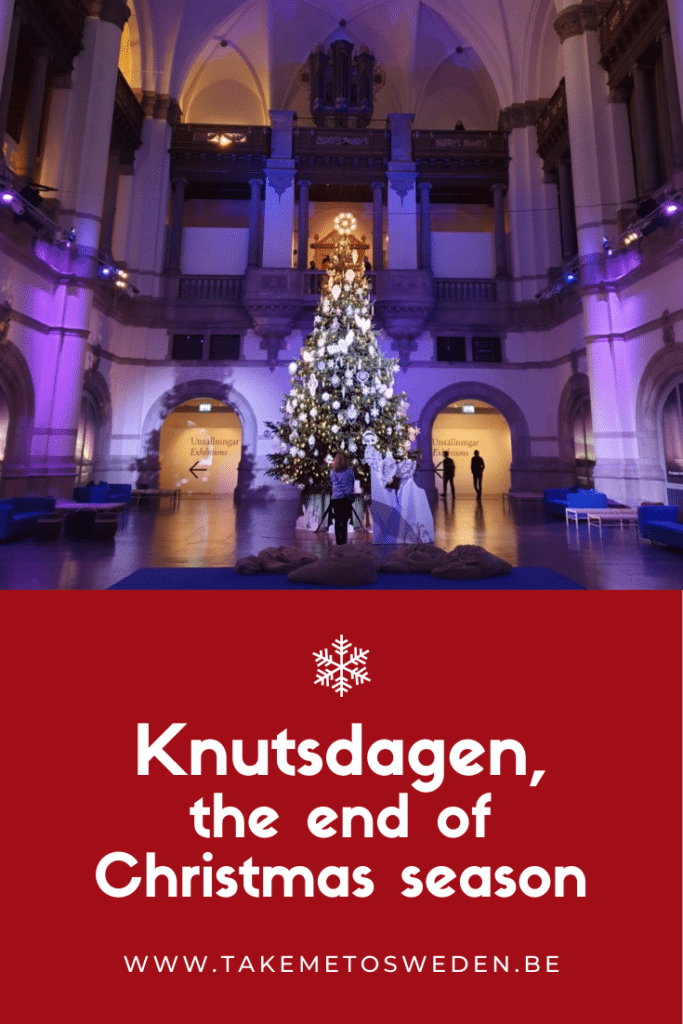
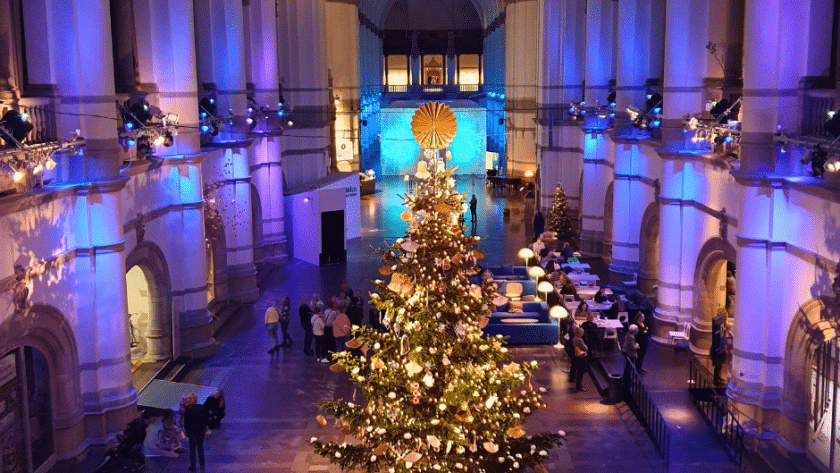
Since the 19th century, Knutsdagen has been the time when the Christmas tree is taken down again. They dance around the Christmas tree, play games, remove the decorations from the Christmas tree, the children can open the smällkaramäller, caramel candies and pepparkakor that were hung as decoration and finally the Christmas tree is also disposed of. In Nordiska Museet in Stockholm you can attend such a Julgransplundring.
Danish duke
Where does the name Knutsdagen come from? The Danish Duke Knut Lavard was murdered on January 7, 1131, coincidentally the day after the thirteenth day after Christmas – at the time when the Christmas period ended. He was later canonized. And as happens with saints, he got his own day on his death day. Knutsdagen has been celebrated in Sweden for almost 400 years with carnival-like festivities.
At the end of the 17th century, the Christmas period was extended by a week and Knutsdagen also moved up by a week. The reason was that every major church feast had an after-party eight days later, a so-called octave.
Knutsdagen is also celebrated in Finland and parts of Norway in addition to Sweden. The Swedish saying goes: “Knut driver julen ut” . Over the years, variants have also been invented, such as “Knut kastas granen ut“.
Pin for later